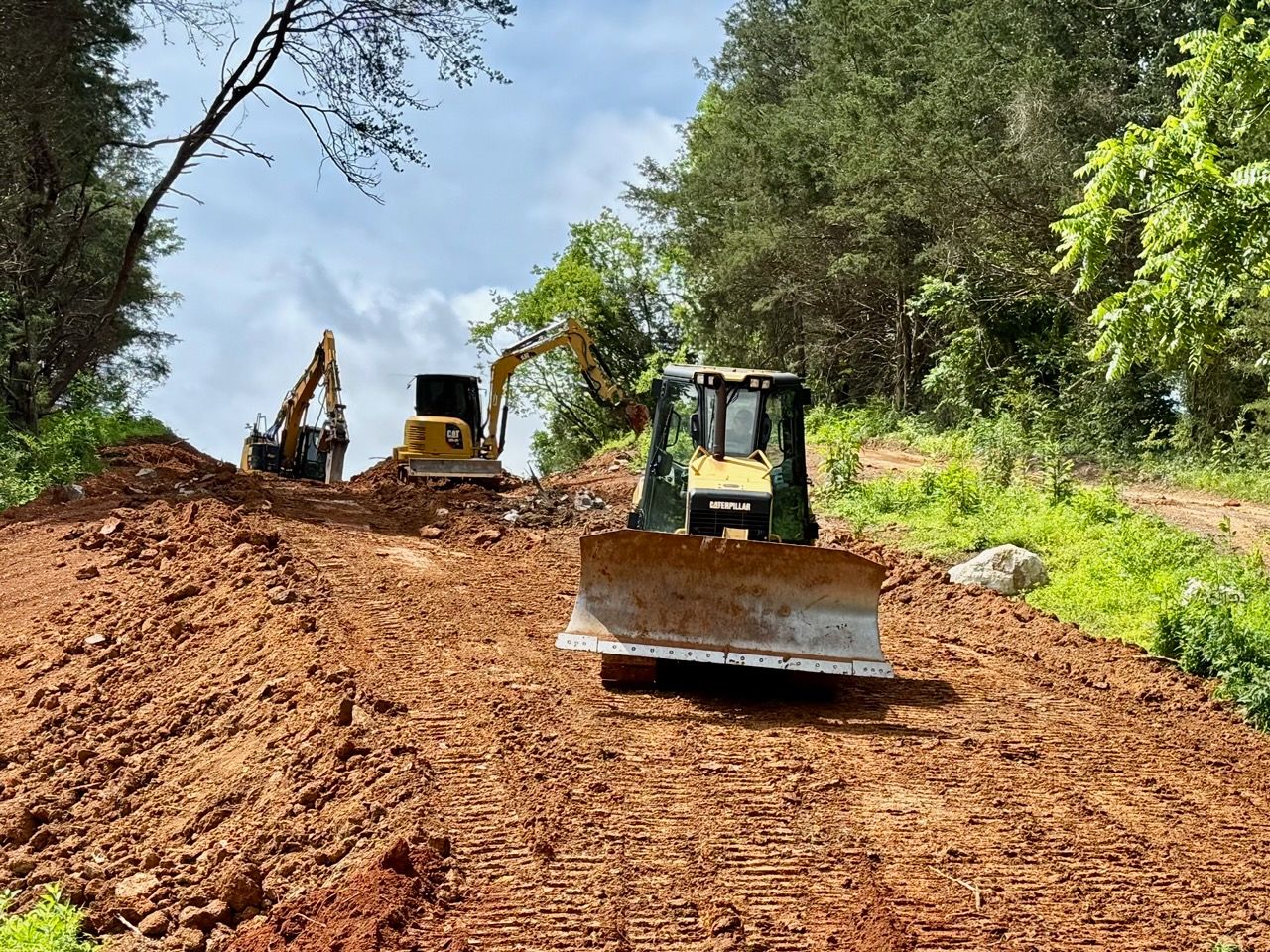
Understanding the Modern Technologies Revolutionizing Excavation Mar 20, 2026
One of the most impactful technologies transforming excavation is Geographic Information Systems (GIS). By harnessing the power of GIS, excavators can gather detailed, accurate data about the land before breaking ground. This enables companies to plan projects with precision, minimizing errors and unforeseen complications. As a result, project timelines and budgets are more predictable and manageable, an essential advantage for companies aiming to provide quality services.
3D modeling and Building Information Modeling (BIM) are also critical in modern excavation projects. These technologies allow for the visualization of subterranean conditions before a project even begins. By creating comprehensive models, excavation teams can identify potential obstacles, optimize equipment usage, and enhance coordination with other construction processes. For Quality Excavating, incorporating these models means offering clients a better understanding of what lies beneath, thus improving project outcomes.
Automation and remote-control technologies have redefined how excavation machinery is operated. Today, machines are equipped with systems that allow for remote operation, increasing both efficiency and safety. This minimizes the need for personnel to be in potentially hazardous environments, offering peace of mind in operations. Moreover, autonomous machines, driven by advanced algorithms, perform tasks with unparalleled precision and consistency, advancing the industry's capabilities.
Drones have also become indispensable in excavation, offering aerial views and data collection capabilities that were previously difficult to obtain. They provide real-time insights into worksite conditions, enabling precise monitoring and adjustment of operations as needed. Drones facilitate better project management by tracking progress and compliance with safety standards, which is invaluable for a company like Quality Excavating, dedicated to maintaining high safety and quality standards.
The integration of the Internet of Things (IoT) is yet another innovative leap in excavation technology. By embedding sensors in machinery, companies can collect and analyze data in real time, allowing for proactive maintenance. This minimizes downtime and ensures that equipment is functioning optimally, essential for maintaining project timelines and reducing costs. For Quality Excavating, an investment in IoT means enhanced operational efficiency and the ability to offer more reliable services.
Sustainability is another aspect that modern technology addresses effectively. Electric and hybrid machinery is becoming increasingly common in excavation, significantly reducing the environmental impact compared to traditional diesel counterparts. Sustainable practices not only appeal to environmentally-conscious customers but also align with global efforts to reduce carbon emissions, which is a value that Quality Excavating holds dear.
In conclusion, the technologies revolutionizing excavation are not mere luxuries but essential tools for companies committed to delivering top-quality services. Quality Excavating understands the significance of these innovations and continues to adapt to provide clients with efficient, safe, and environmentally responsible solutions. As technology evolves, so does the potential for the excavation industry to push boundaries and achieve new heights, setting a stronger foundation for the infrastructure of tomorrow. For businesses and clients alike, embracing these technological advancements is the key to success in the modern excavation landscape.
/filters:no_upscale()/filters:format(webp)/media/78754d4c-697a-41cc-8fec-993b5bec2c21.jpeg)