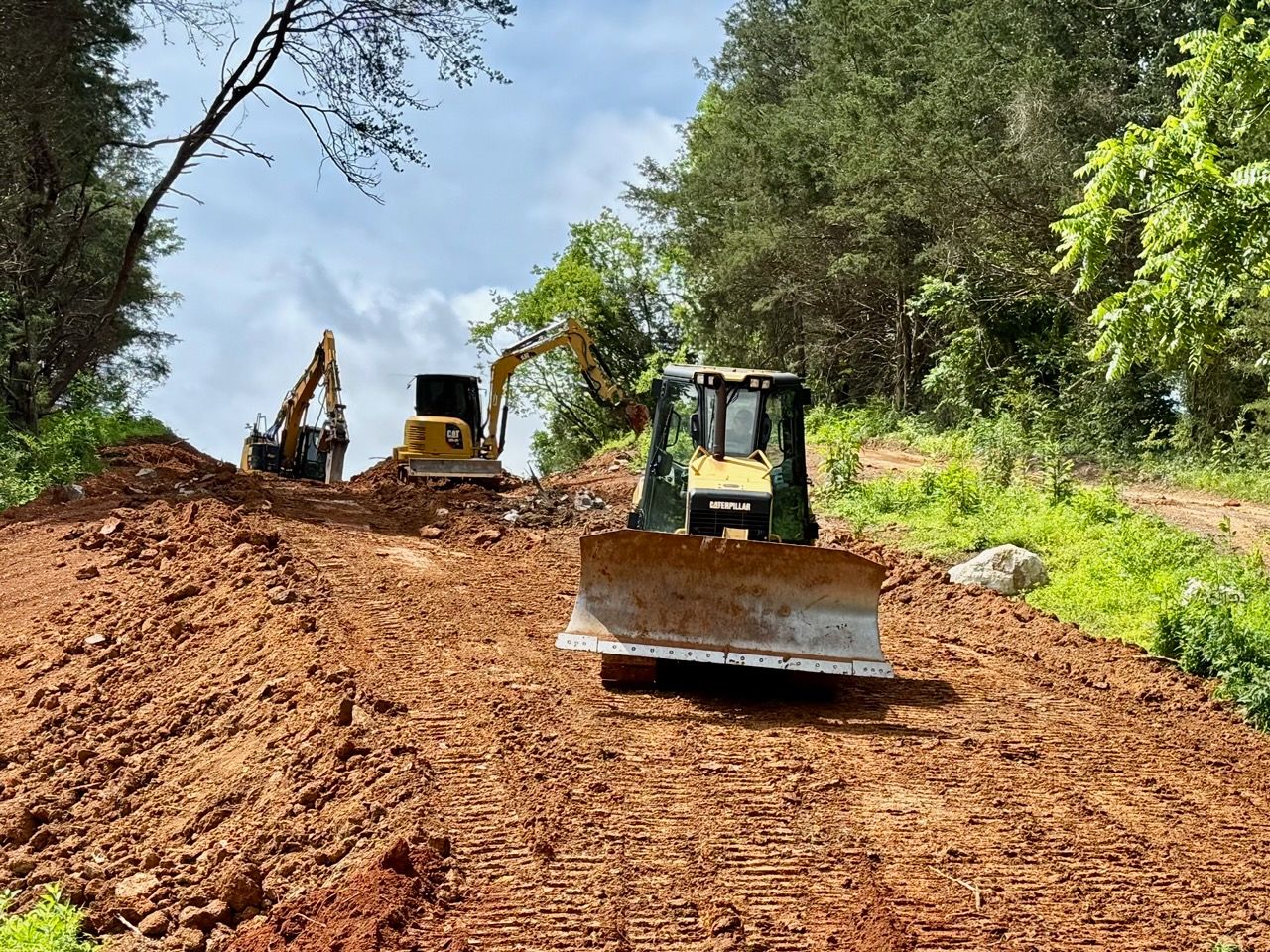
Navigating the Terrain: Essential Considerations for Effective Excavation Planning Jul 03, 2026
To begin, one of the most crucial steps in excavation planning is conducting a thorough site assessment. Understanding the terrain is paramount; it sets the foundation for all subsequent steps. This involves studying the soil type, which can affect the stability of structures, drainage capabilities, and the equipment required. It’s important to engage with a geotechnical engineer to evaluate soil conditions and identify potential challenges such as rock outcrops or groundwater presence.
Once the site assessment is complete, it is essential to develop a detailed excavation plan. This plan should outline the sequence of operations and highlight critical milestones. By preparing a comprehensive layout, project managers can anticipate potential obstacles and streamline processes to avoid delays. A well-thought-out plan should consider the logistics of materials removal and redistribution, ensuring that quality and efficiency are maintained throughout the excavation phase.
Permitting is another indispensable step in excavation planning. Navigating the regulatory landscape can be complex, yet it is vital for avoiding legal complications. Depending on the location, construction type, and environment affected, various permits may be required. Quality Excavating’s expertise in securing necessary permits can help clients stay compliant with local laws and zoning regulations, ensuring smooth project execution.
Safety considerations must never be overlooked in excavation projects. Protecting workers and property should be a primary concern. Implementing best practices for site safety, such as shoring up trenches to prevent collapses and providing appropriate training for all personnel, is paramount. At Quality Excavating, we emphasize creating a safe work environment by adhering to OSHA guidelines and employing rigorous safety protocols.
Environmental responsibility is increasingly becoming a focal point in excavation practices. Sustainable excavation techniques are not only beneficial for the environment but can also lower project costs by minimizing waste and optimizing resource use. From managing spoil disposal responsibly to employing erosion control measures, integrating eco-friendly practices can enhance both project integrity and community relations.
Communication is yet another critical component of successful excavation planning. Frequent updates, transparent reporting, and stakeholder meetings enable all parties to remain aligned with project goals. Effective communication helps in quickly addressing any issues that arise, mitigating the risk of costly project overruns.
In conclusion, effective excavation planning is a multifaceted process that demands attention to detail, proactive problem-solving, and a commitment to quality and safety. By focusing on comprehensive site assessments, detailed planning, obtaining proper permits, prioritizing safety, embracing sustainability, and maintaining open lines of communication, Quality Excavating can ensure projects are completed on time, within budget, and to the highest standards of quality. For our clients, these principles not only translate to a successful build but also to a smooth construction experience. As you embark on your next excavation project, remember that careful planning is the bedrock of any successful endeavor. With the right approach, challenges are minimized, and opportunities maximized, paving the way for project success.
/filters:no_upscale()/filters:format(webp)/media/78754d4c-697a-41cc-8fec-993b5bec2c21.jpeg)