Breaking Ground: Essential Excavation Techniques for Project Success Jul 27, 2026
Excavation is more than just moving dirt. It involves careful planning, detailed site assessments, and the application of specific techniques suited to project needs. It starts with a thorough analysis of the site. Understanding soil types, underlying structures, and environmental considerations are crucial. This initial study allows professionals to select the appropriate methods and machinery, tailored to the project's scale and complexity.
Safety is a top priority in any excavation process. At Quality Excavating, our commitment to safety underpins all our operations. Excavation sites often pose risks such as collapsing trenches or utility line interference. Implementing proper safety protocols, including trench support systems and routine safety audits, can mitigate these risks. Engaging in regular training and adherence to local codes is also fundamental for safeguarding both workers and the site.
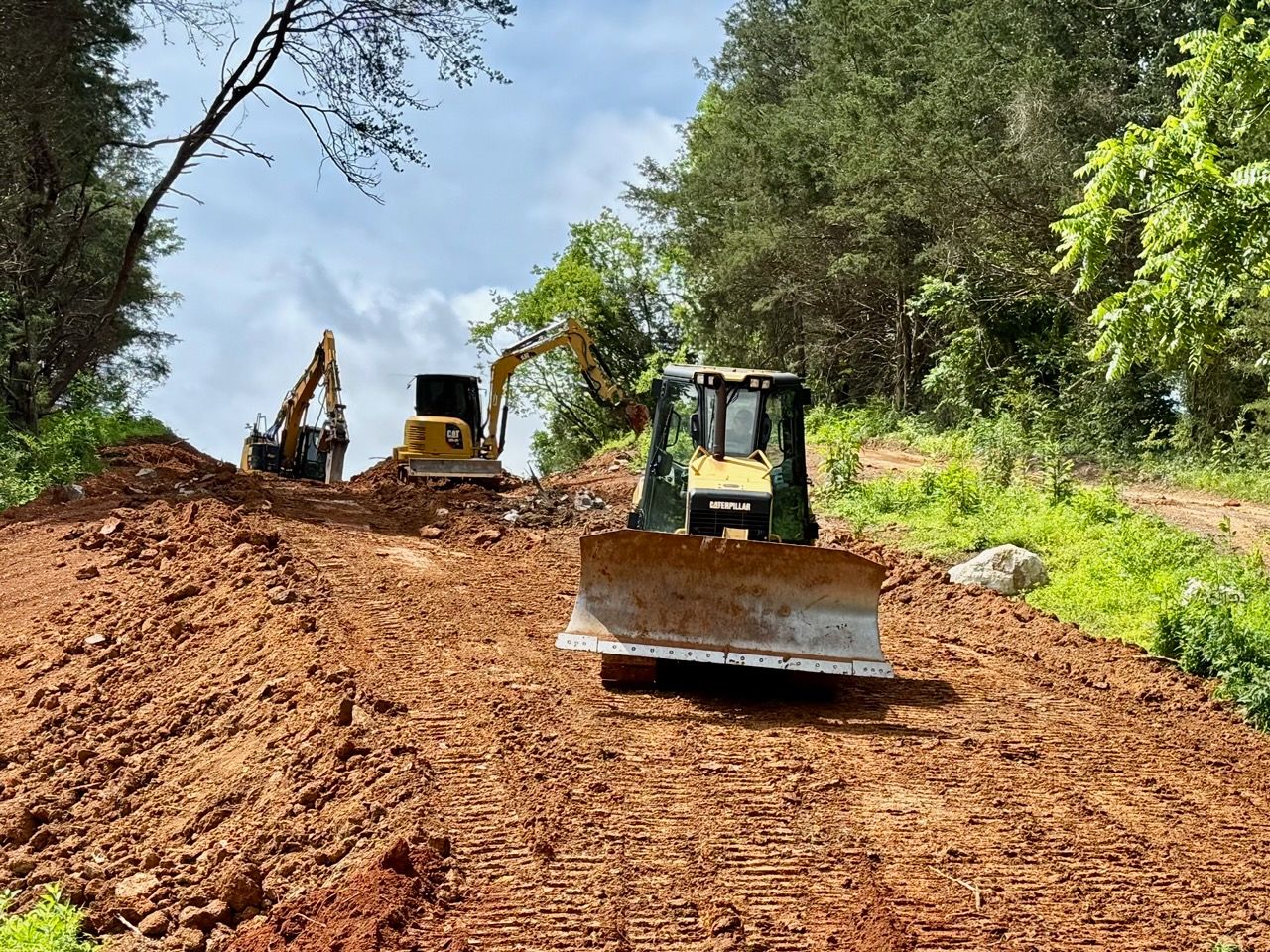
Choosing the right equipment is another cornerstone of successful excavation. Excavators, backhoes, and bulldozers each serve unique purposes and are selected based on the project's demands. For smaller, more precise work, backhoes offer flexibility and control, whereas larger digging tasks benefit from the power of excavators. Specialized equipment, such as compact loaders, may also be used for sites with space constraints, evidencing the need for tailored equipment choices.
At the heart of effective excavation is precise planning. Beginning with a detailed blueprint ensures that every dig adheres to the plan, minimizing unexpected challenges. Modern technology, such as GPS and laser-guided systems, enhances precision, resulting in accurately executed dimensions. These innovations not only speed up the process but also significantly minimize errors, contributing to enhanced project outcomes.
Environmental considerations have become increasingly important in excavation planning. As a leading excavation company, we at Quality Excavating are committed to environmentally friendly practices. This includes everything from managing soil runoff and erosion to minimizing the impact on local wildlife. Implementing sustainable practices helps reduce the environmental footprint and is often mandated by regulations, requiring careful compliance.
Communication is another critical factor in excavation projects. Clear dialogue with clients, engineers, and contractors ensures alignment and helps quickly address any arising issues. Regular updates and open feedback loops are integral in maintaining transparency and fostering collaborative success.
The final phase of excavation is just as important as the beginning. After achieving the desired site configuration, proper site cleanup and stabilization measures are necessary. This includes ensuring that drainage systems are functioning correctly and that the site is ready for the next construction phases.
To conclude, successful excavation extends far beyond digging into the ground. It requires meticulous planning, skilled execution, and a commitment to safety and environmental responsibility. Partnering with an experienced company like Quality Excavating ensures these elements are executed flawlessly, paving the way for a successful construction project. Whether you're breaking ground on a small residential development or a large-scale commercial site, understanding and implementing essential excavation techniques is key to achieving outstanding results.
/filters:no_upscale()/filters:format(webp)/media/78754d4c-697a-41cc-8fec-993b5bec2c21.jpeg)