A Comprehensive Guide to Choosing the Right Excavation Equipment for Your Job Mar 08, 2026
Understanding the scope of your project is the first step in identifying the appropriate excavation equipment. Smaller projects, such as residential landscaping or minor dig work, may only require basic tools like trenchers or mini-excavators. These compact machines are perfect for confined spaces and can handle less intensive digging tasks with ease. On the other hand, larger construction projects need to consider more powerful machinery like backhoes or standard excavators, which offer higher capacity and greater reach.
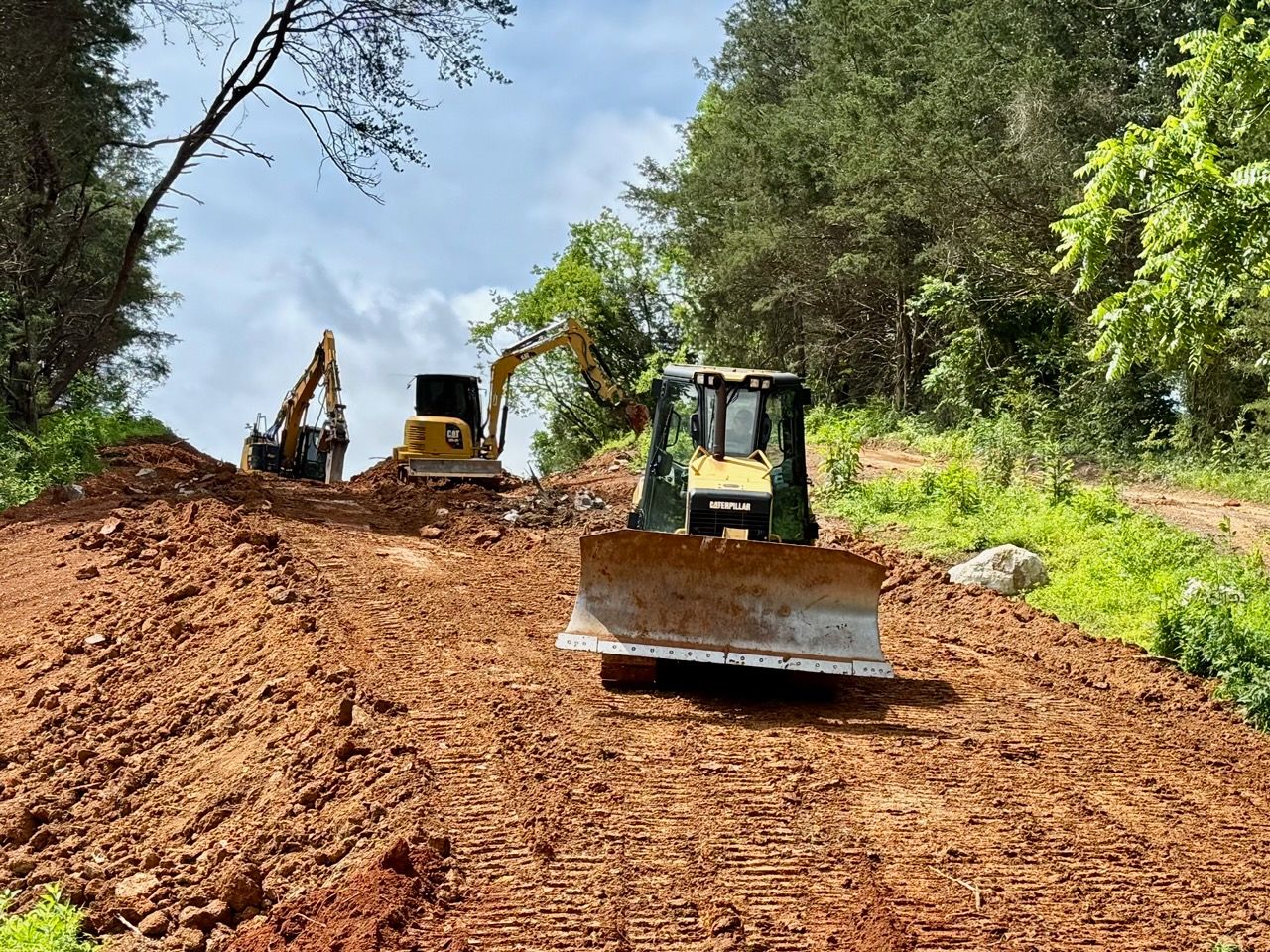
Next, evaluate the terrain and soil type of your worksite. Different machines perform optimally in different environments. For instance, rocky or uneven landscapes demand equipment with enhanced stability and robust power, such as bulldozers or track loaders. These machines are designed to maneuver through tough territories while providing the force needed to excavate hard ground. In contrast, if your project involves softer soil, machines like wheel loaders or draglines may be sufficient, providing efficient movement along more forgiving surfaces.
Consideration of operating capacity is another essential aspect. It’s crucial to determine the volume of material you need to move and the depth of excavation required. For projects that demand the removal of large quantities of earth, high-capacity machines like hydraulic excavators or articulated trucks are preferable as they provide a higher volume of excavation per cycle. This efficiency not only saves time but also reduces operational costs, an important factor to maintain budget adherence.
Another important point is to assess your project timeline. Some machines are better suited for quick, short-term projects, due to their speed and ease of deployment. Conversely, if you're planning a long-term excavation, investing in durable equipment such as dozers or graders, known for their reliability and lower long-term maintenance costs, will benefit you in the long run.
Moreover, consider the level of precision required for your task. Advanced equipment featuring GPS and automated control systems can enhance accuracy dramatically. These features are incredibly useful in ensuring the exactness of excavation lines and depths, ultimately reducing human error and post-job corrections.
To conclude your equipment selection process, consider how much you want to invest in purchasing or renting machinery. While purchasing might be more economical for ongoing, frequent use, renting is a viable option for one-off projects or when needing specific machines unavailable in your fleet. Quality Excavating offers a range of equipment for both purchase and hire, aligning with diverse budgetary requirements.
In summary, selecting the right excavation equipment requires a thorough understanding of your project’s needs, terrain type, operational capacities, timelines, and budget. By taking these factors into account, you're more likely to complete your excavation tasks with efficiency and precision, ultimately achieving your project goals. Quality Excavating is dedicated to assisting you in making informed decisions, equipping you with the best machinery to meet your excavation demands.
/filters:no_upscale()/filters:format(webp)/media/78754d4c-697a-41cc-8fec-993b5bec2c21.jpeg)